





-
 Courier delivery
-
 DHL Courier delivery
-
 Warranty 1 year
-
 Free 30-Day returns

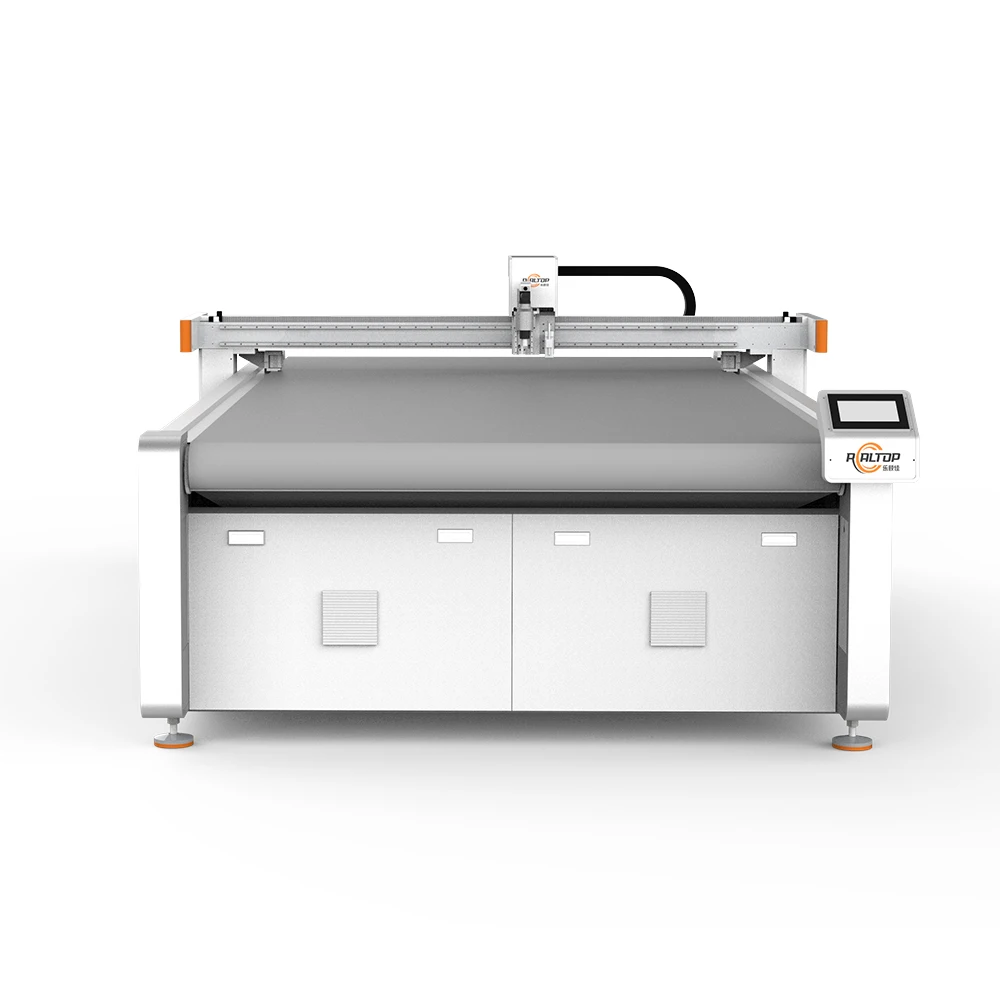
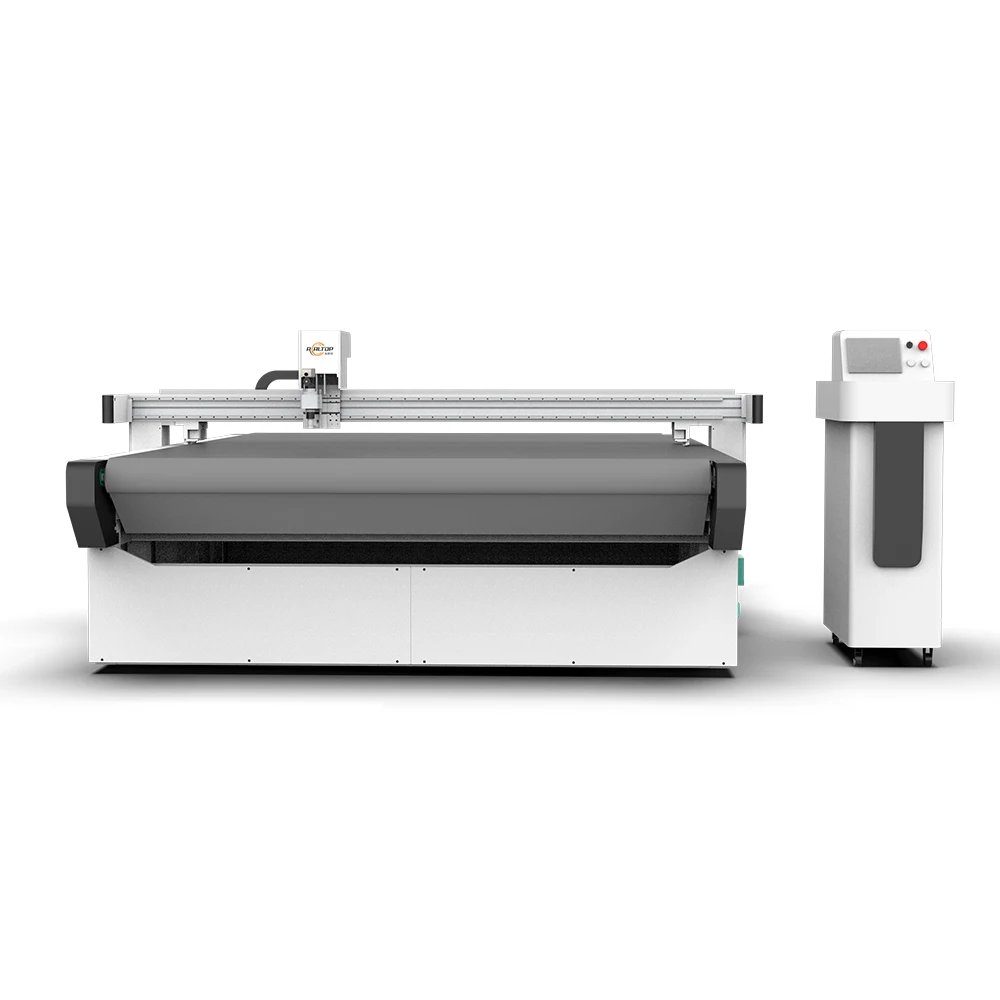
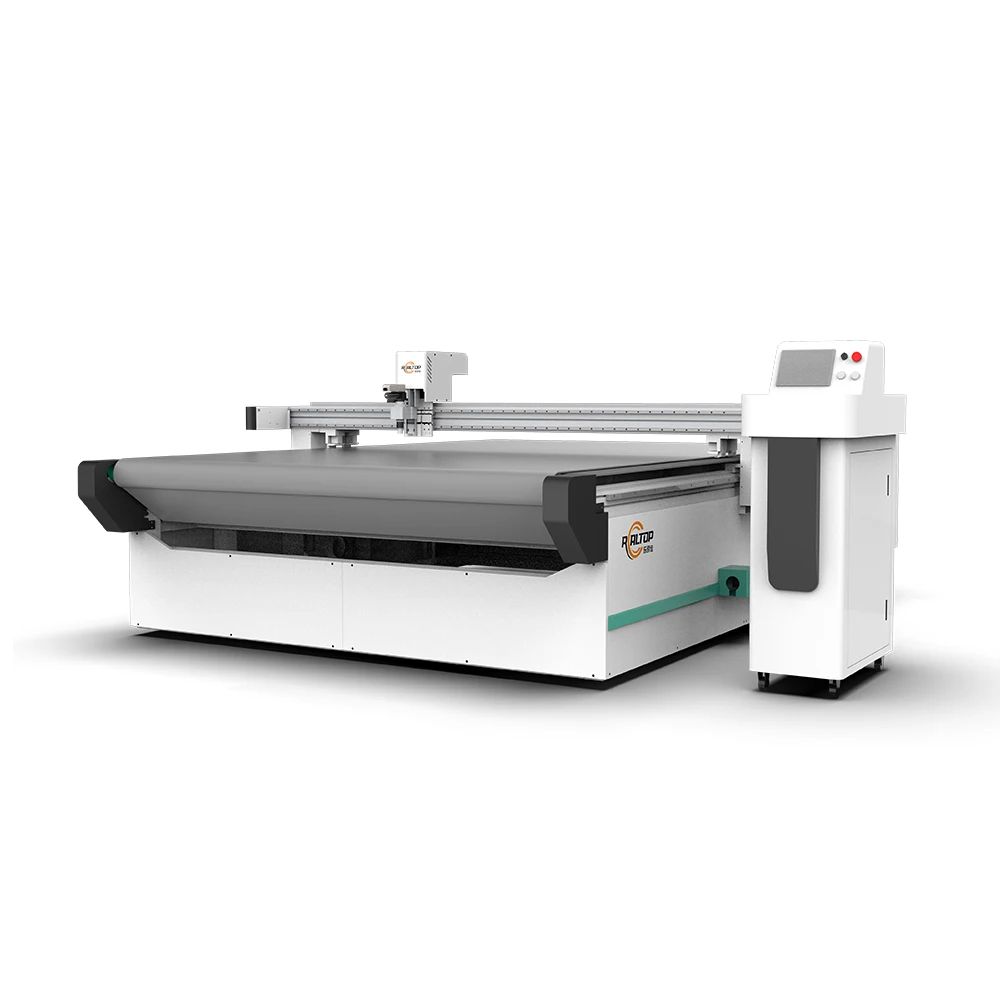
Built on the shop floor — Every frame weld, linear guide preload and vacuum zone layout is verified by the same team that designed the cutting head, so the machine you receive matches the sample report signed off on your fabric.
Technical Specifications
| Parameter | Value |
|---|---|
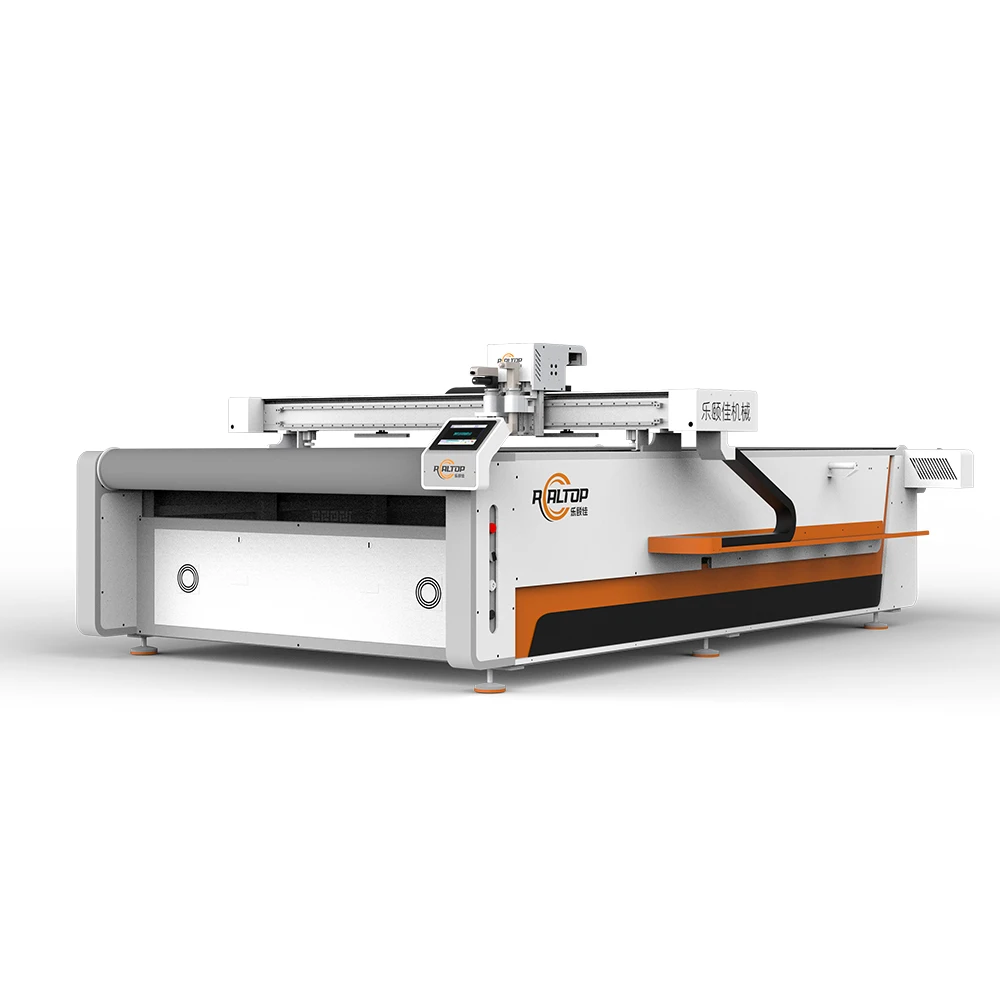
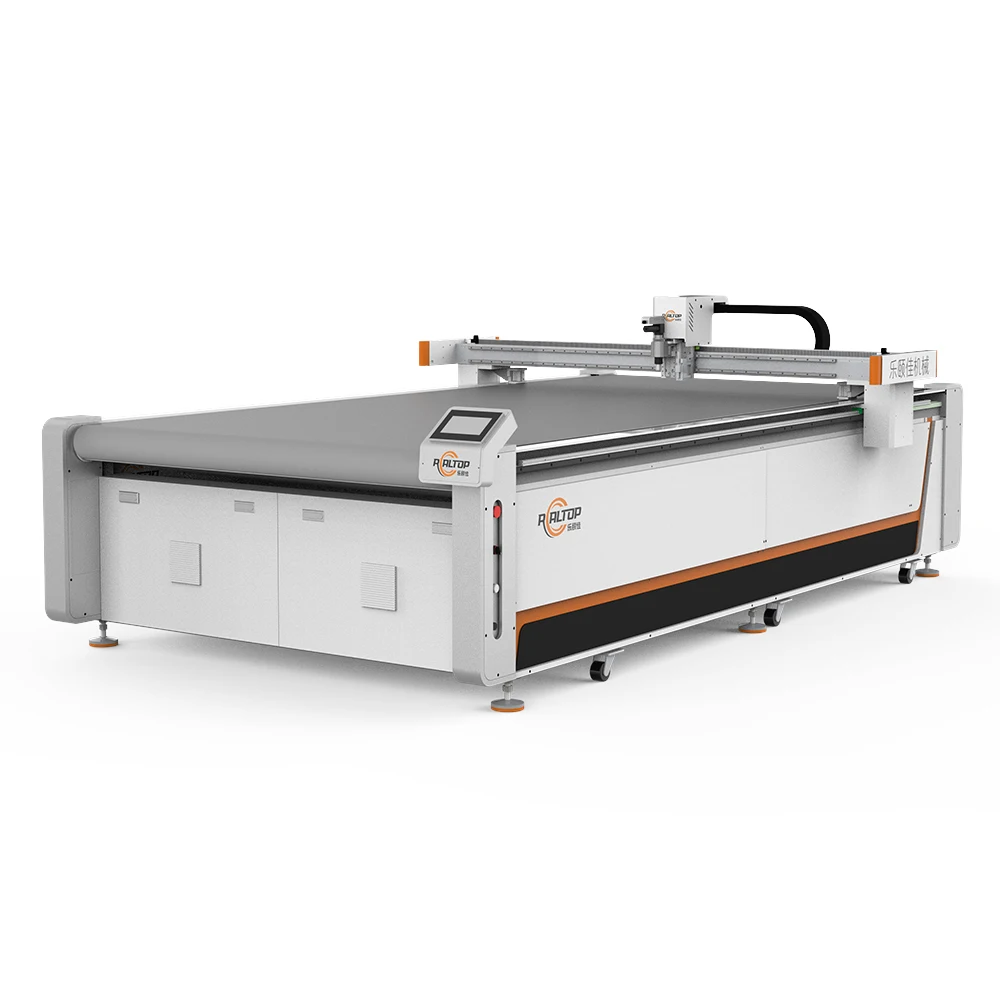
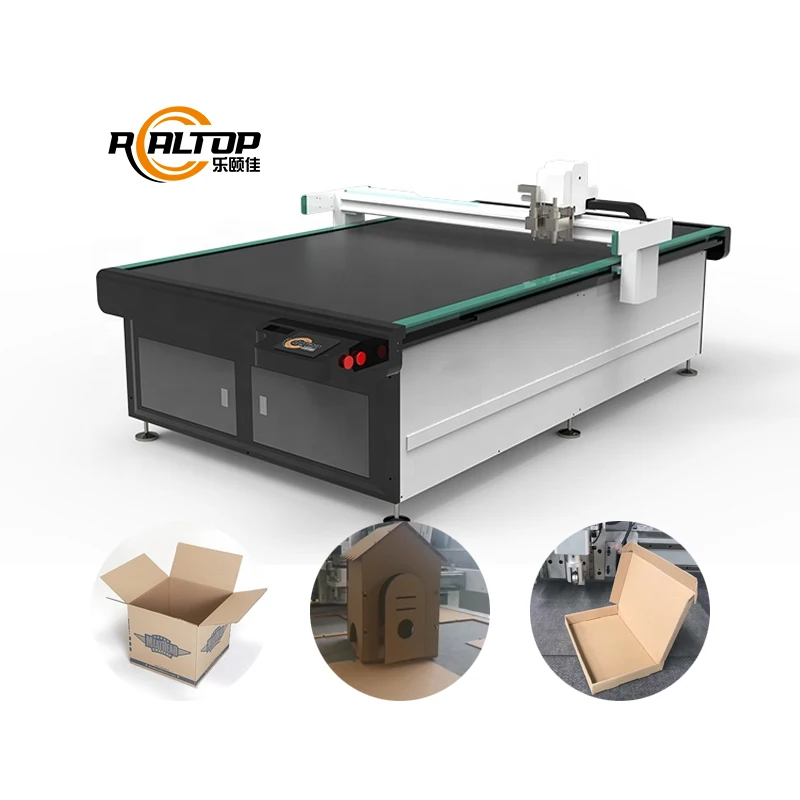
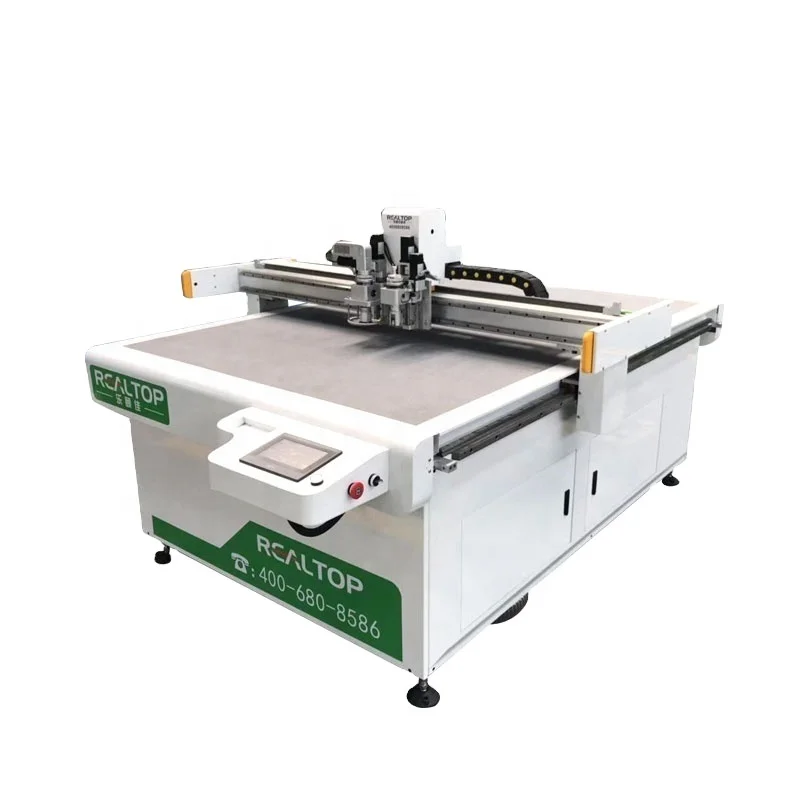
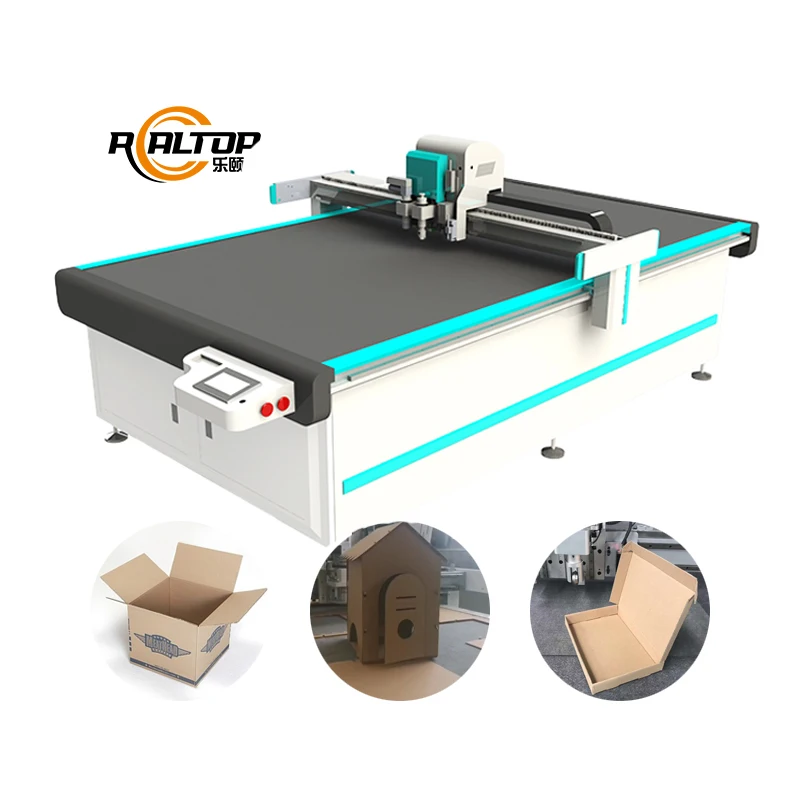
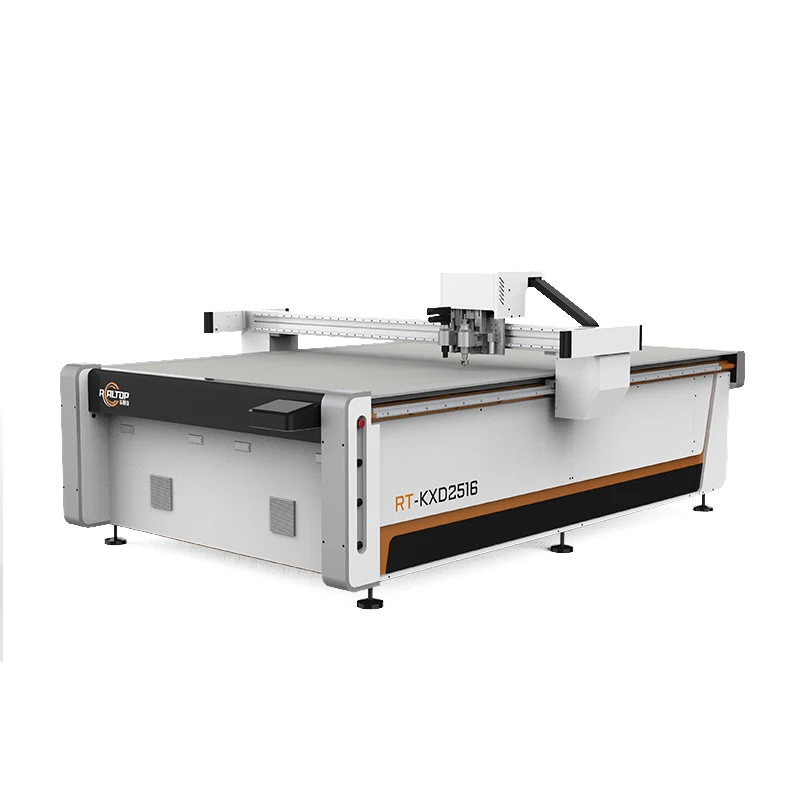
| Product Type | CNC Oscillating Knife Cutting Machine |
| Working Area | 1600 × 2500 mm |
| Cutting Speed | 0 – 2000 mm/s (basis to be confirmed) |
| Maximum Cutting Thickness | 30 mm |
| Dimensional Accuracy | ±0.1 mm |
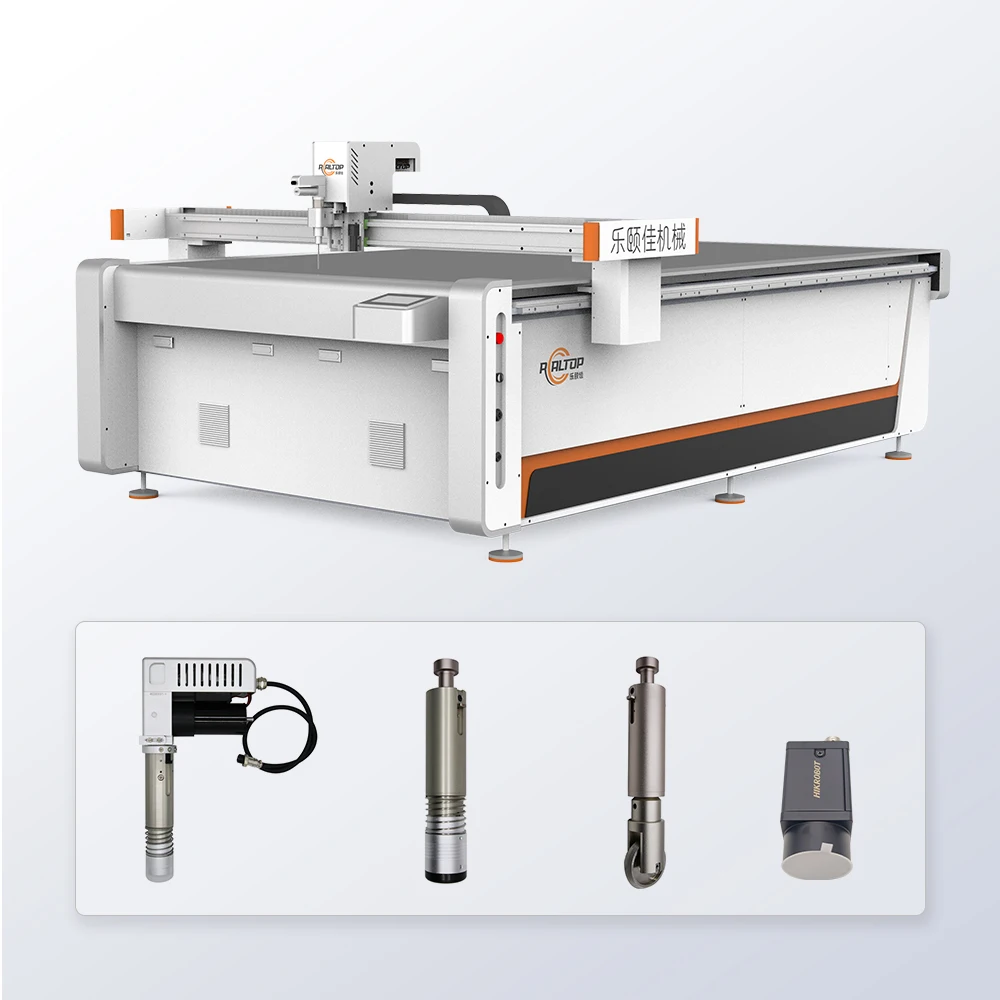
| Tool Head Options | Oscillating knife, Driven rotary knife, Creasing wheel, Kiss cutting tool, Pneumatic knife, Milling tool, V groove knife |
| Vacuum System | 9 kW pump, aluminum bellows table |
| Servo Motor Options | Panasonic, Delta, Dorna |
| Voltage Options | 110V / 220V / 380V configurable |
| Control Interface | PLC panel, multi-language display |
| File Format Support | PLT, DXF, AI, PDF |
| Safety Systems | Infrared sensor array, emergency stop |
| Machine Dimensions (L×W×H) | 3300 × 2100 × 1350 mm |
Application Suitability
| Application | Material or Output |
|---|---|
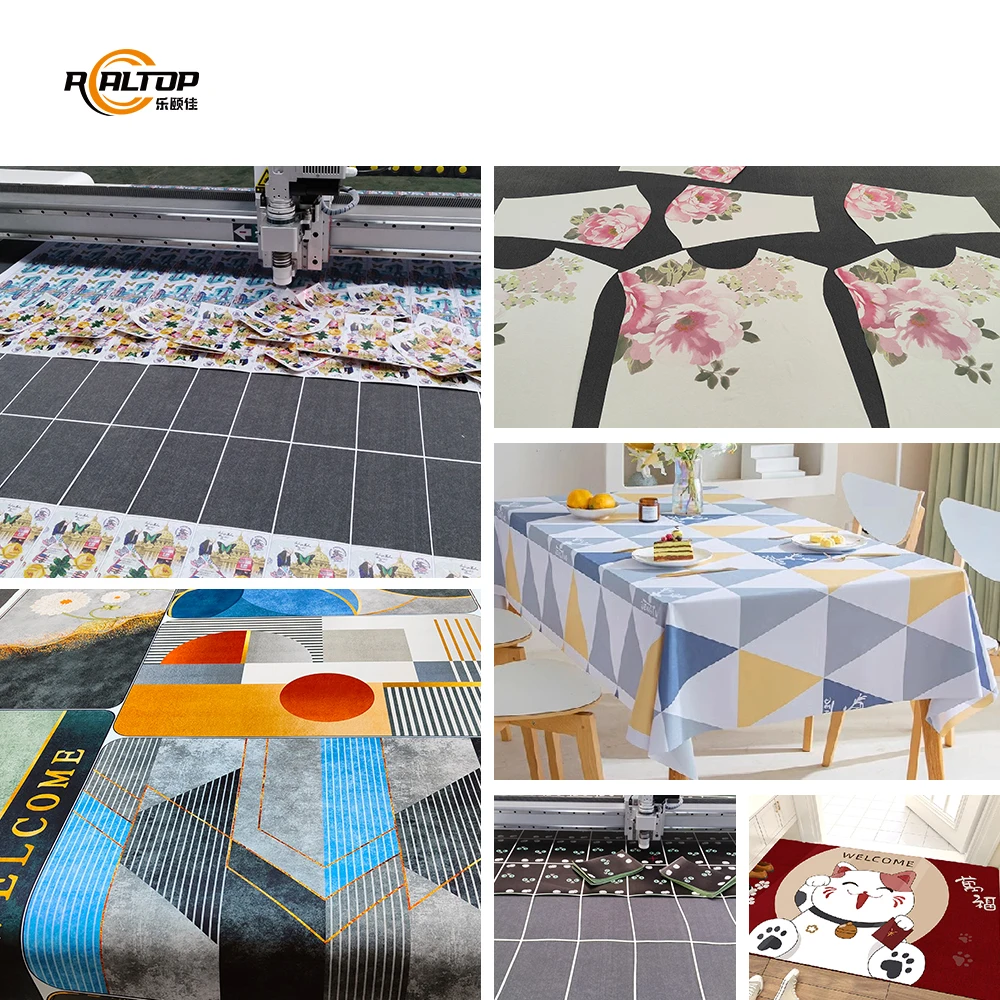
| Apparel & Footwear | Knits, wovens, lace, plush, leather, multi-ply lay-ups |
| Automotive Interiors | Seat fabrics, carpets, PVC mats, headliner composites |
| Home Textiles | Sofa upholstery, curtains, rugs, heavy drapery |
| Composite Prepreg | Carbon fiber prepreg, aramid, glass fiber sheets |
| Packaging Samples | Corrugated, folding carton, foam board prototyping |
| Signage & Graphics | Vinyl, reflective sheet, self-adhesive film |
Why "Universal Fabric Cutter" Claims Leave Edge Burrs Unresolved
Material-specific tool head and vacuum configuration must be validated against your actual lay-up before the order is confirmed.
Many buyers specify a CNC oscillating knife cutting machine manufacturer based on working area alone, then discover that a standard oscillating knife tears through coated composite textiles while leaving frayed edges on loose knits. The vacuum zoning that holds a single ply of denim will often starve for airflow under a multi-layer stack of automotive carpet. Without a sample cutting run on the buyer’s own roll stock, the machine specification is only a guess [NEED_CITE: material-specific cutting configuration validation].
Frame Rigidity and Motion Component Selection
A 3300 × 2100 × 1350 mm enclosure has to resist torsional load when the carriage accelerates across a 2500 mm stroke. The frame welding sequence, stress relief treatment and linear guide block preload are set during assembly rather than adjusted on site. When the gantry carries a pneumatic knife at full speed, any frame deflection transfers directly into dimensional error on nested pattern pieces.
Vacuum Zoning Strategy for Multi-Ply Stacks
The 9 kW pump feeding an aluminum bellows table provides sustained hold-down, but a single open zone will lift the trailing edge of a long coat panel once the knife passes. Independent zone valves allow the operator to close off the empty rear section of the bed while the knife is still working the front. This zoning logic is programmed into the controller rather than handled manually during each job [NEED_CITE: vacuum table zoning practices for flatbed cutting].
Reading the Specification Sheet Against Real Production
The ±0.1 mm accuracy figure is measured under controlled temperature on a stable substrate; automotive carpet with foam backing compresses under the knife and can spring back slightly, so edge-to-edge tolerance on nested panels should be verified on a sample stack. The 0–2000 mm/s traverse speed is a motion ceiling, not a cutting speed; dense materials like PVC mats require a slower stroke rate and lower oscillation frequency to avoid delaminating the top layer. Tool head swap time between the oscillating knife and the driven rotary knife dictates how often the machine can switch between a woven outer shell and a knit lining within one nesting job.
The Hidden Cost of Skipping Sample Cutting on Your Own Fabric
A buyer who confirms a machine on standard polyester test stock and then ships rolls of TPU-coated nylon will find the knife frequency, downstroke depth and vacuum pressure all wrong on day one. The edge quality issue is rarely solved by a single parameter tweak; it requires re-tuning the oscillation frequency, the blade geometry and the zone vacuum balance together. Production managers who skip the sample report often spend several days of line downtime absorbing this tuning cost on the factory floor [NEED_CITE: fabric cutting parameter tuning for coated composites].
Why Buyers Match with This Manufacturing Partner
The design team and the assembly floor operate in the same facility, so a request for a custom vacuum zone layout on the aluminum bellows table does not route through a third-party integrator. Tool heads are not selected from a generic catalogue; the oscillating knife, driven rotary knife and pneumatic knife variants are matched to the buyer’s material thickness range before shipment. Voltage and control language are locked in the electrical schematic stage, avoiding on-site transformer swaps. Every CNC oscillating knife cutting machine manufacturer should offer a sample cutting report, but here the report is signed off against the buyer’s own roll stock and nested pattern file. The CE declaration documentation is prepared alongside the machine build, not pulled from a generic template after the fact.
Documentation & Verification
- Factory test record on buyer-supplied fabric thickness and lay-up height before dispatch
- Electrical schematic confirming voltage, plug type and control language per destination market
- Tool head and vacuum zone configuration list tied to the buyer’s material matrix
- Software license note confirming PLT, DXF, AI and PDF import compatibility with existing nesting workflow
- Sample cutting report with edge quality photographs on buyer’s own composite or knit roll
Installation, Commissioning & Support
- Foundation must carry the 3300 × 2100 mm footprint and the 9 kW vacuum pump vibration load
- Dedicated circuit sized for the selected 110V, 220V or 380V supply with correct frequency
- Gantry and carriage assembled on site after container transit with guide alignment check
- First-run nesting job calibrated on buyer’s fabric with vacuum zone balance adjustment
- Operator training covers tool head swap, blade replacement and PLC language selection
- Spare blade and knife holder inventory matched to the selected oscillating and rotary knife heads
What to Include in Your First Inquiry
To receive a configuration that matches your production rather than a default build, provide the material type, maximum thickness and roll width, the daily output volume, and the existing nesting software you intend to keep using. Confirm the local voltage, frequency and preferred control language. If your fabric has a coating, backing foam or adhesive layer, send a sample roll for a cutting trial before the specification is locked.
Frequently Asked Questions
Q: How do I confirm the right tool head for my specific fabric type?
A: Send a sample roll of your actual production material, including any coating or foam backing. We run cutting trials with the oscillating knife, driven rotary knife and pneumatic knife heads, then provide a report showing edge quality, cycle time and the recommended tool head and vacuum zone setup for your lay-up.
Q: Can the voltage and control language be customized before shipment?
A: Yes. The electrical schematic is confirmed with you during the order stage, covering supply voltage, frequency, plug type and PLC display language. This prevents the need for on-site transformer changes or operator confusion when the machine is first powered on at your facility.
Q: How is cutting accuracy verified on my own material before I accept the machine?
A: We run your nested pattern file on your supplied fabric or composite lay-up during the factory acceptance test. The sample cutting report includes dimensional measurements and edge photographs, so you can compare the ±0.1 mm accuracy claim against your actual production substrate.
Q: Will the software accept my existing nesting files?
A: The controller imports PLT, DXF, AI and PDF formats. Before the order is finalized, we test your typical production files to confirm that layer recognition, kerf compensation and nesting output behave as expected within your current workflow.
Q: What does after-sales support cover once the machine is installed?
A: On-site commissioning includes gantry alignment, vacuum zone balancing and operator training on tool head replacement and PLC navigation. The spare parts list is matched to your selected knife heads, and remote support covers PLC parameter adjustment for new material introductions.
You may also like

商品评价
Clear filtersThere are no reviews yet.