



-
 Courier delivery
-
 DHL Courier delivery
-
 Warranty 1 year
-
 Free 30-Day returns

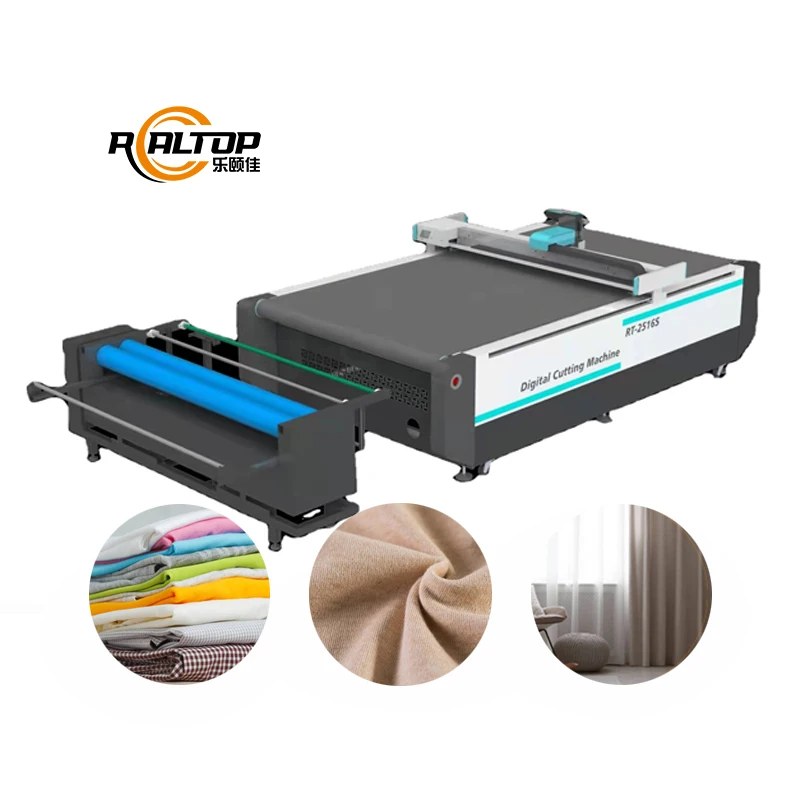
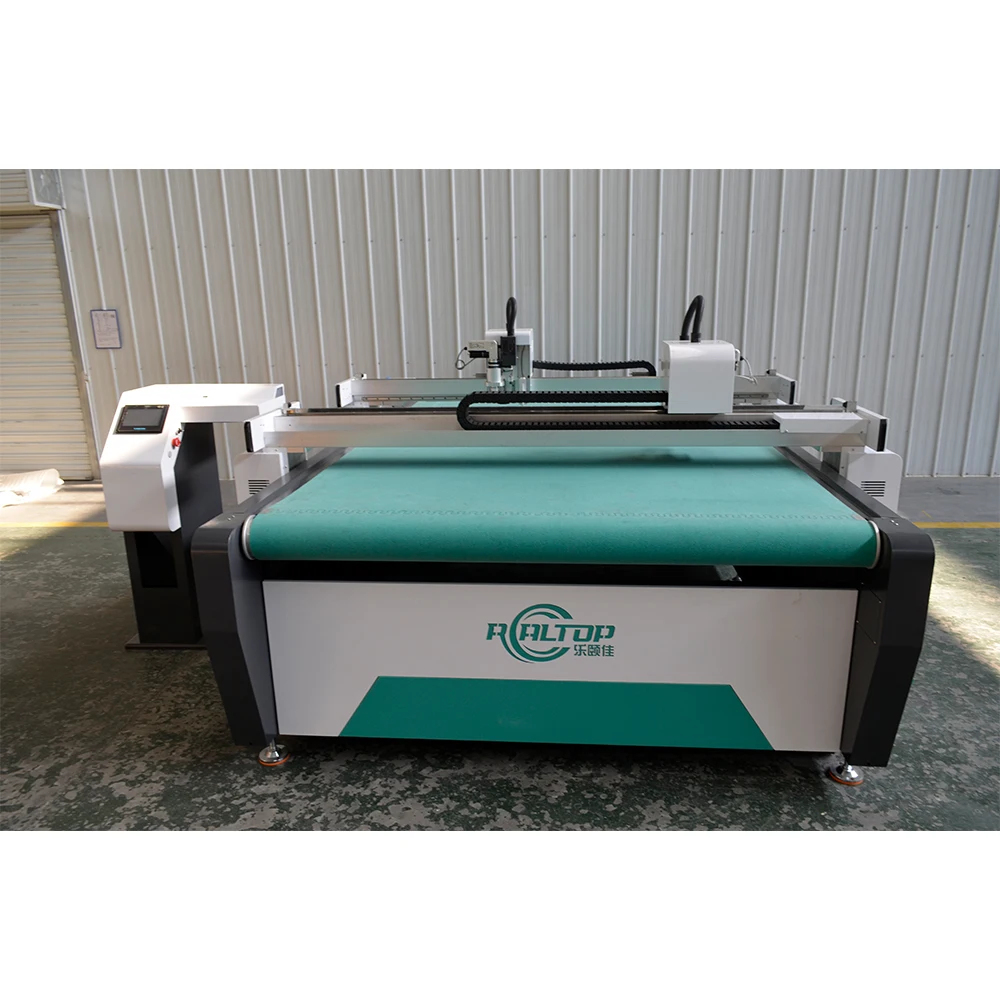
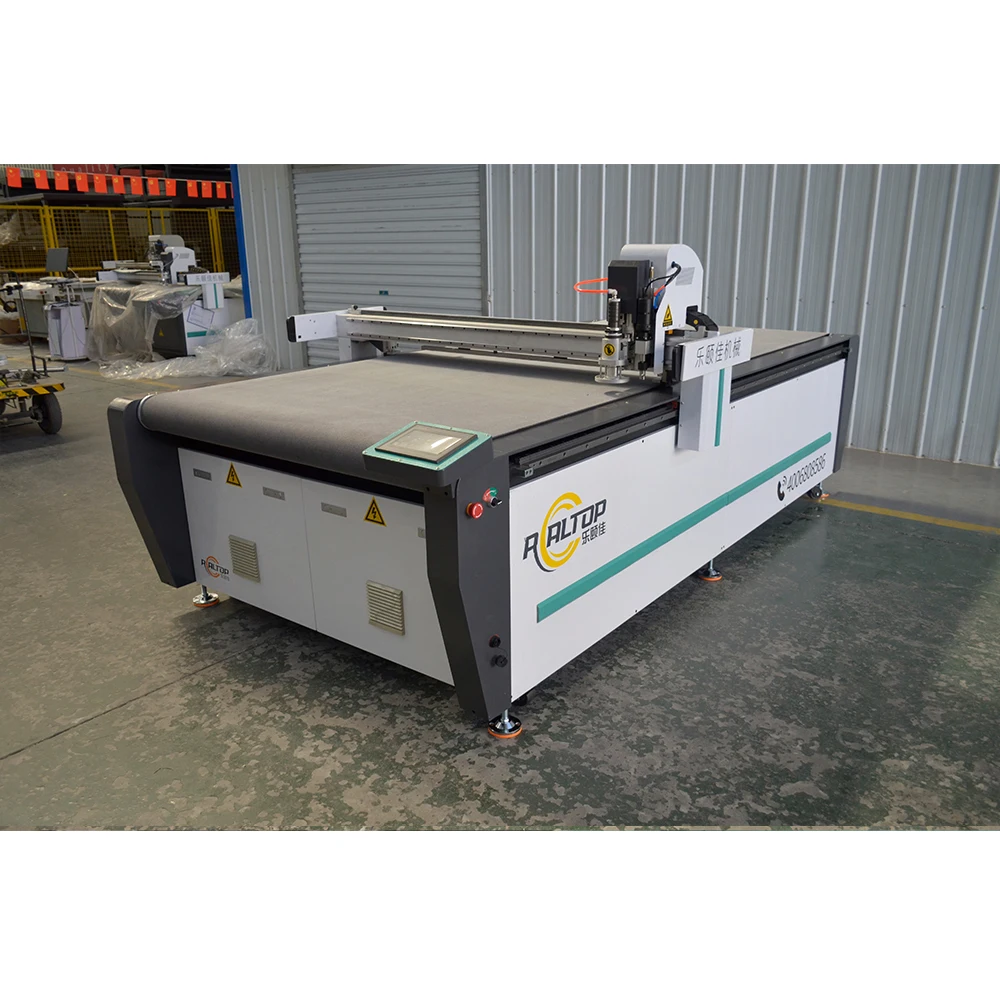
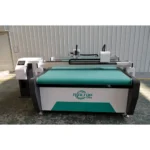
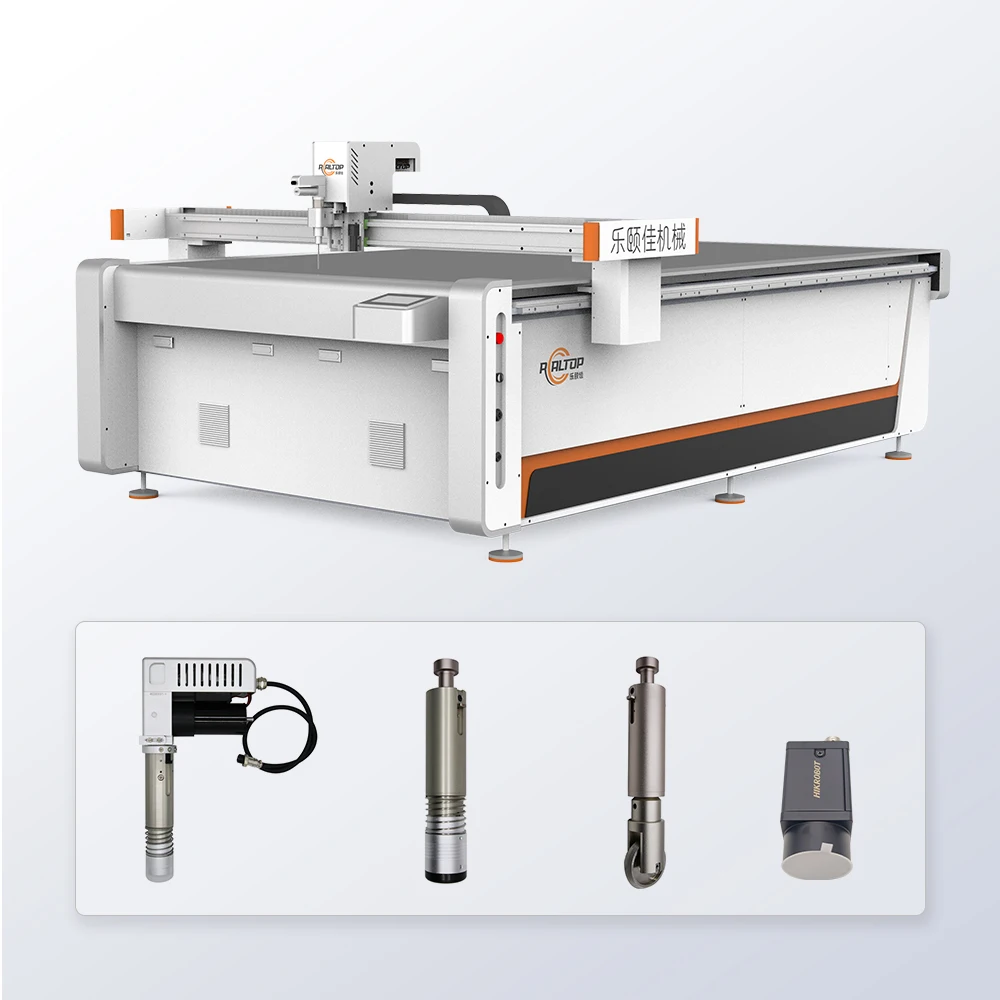
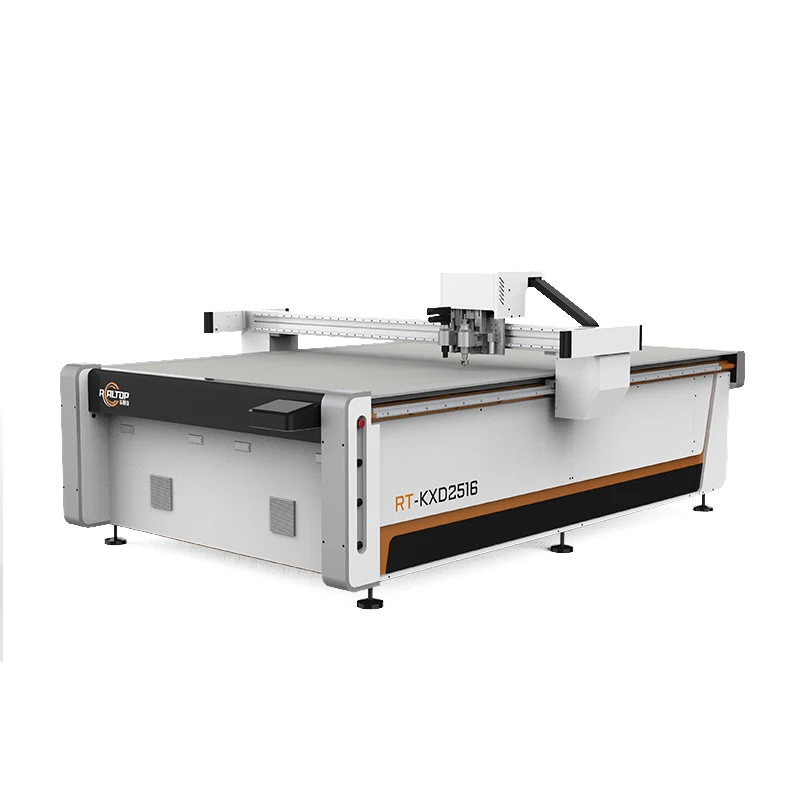
Custom-Configured Oscillating Knife Platform — Realtop engineers specify the RT-D2516/RT-S2516 cutting head, vacuum zoning, and feeding system against your actual roll material rather than quoting a standard configuration from a catalog.
Technical Specifications
| Parameter | Value |
|---|---|
| Model | RT-D2516/RT-S2516 |
| Product Type | CNC Oscillating Knife Cutting Machine with Auto Feeding |
| Working Area | 1600×2500 mm |
| Overall Dimensions (L×W×H) | 3450×2300×1250 mm |
| Rated Power | 9 kW |
| Voltage | 380V±10% |
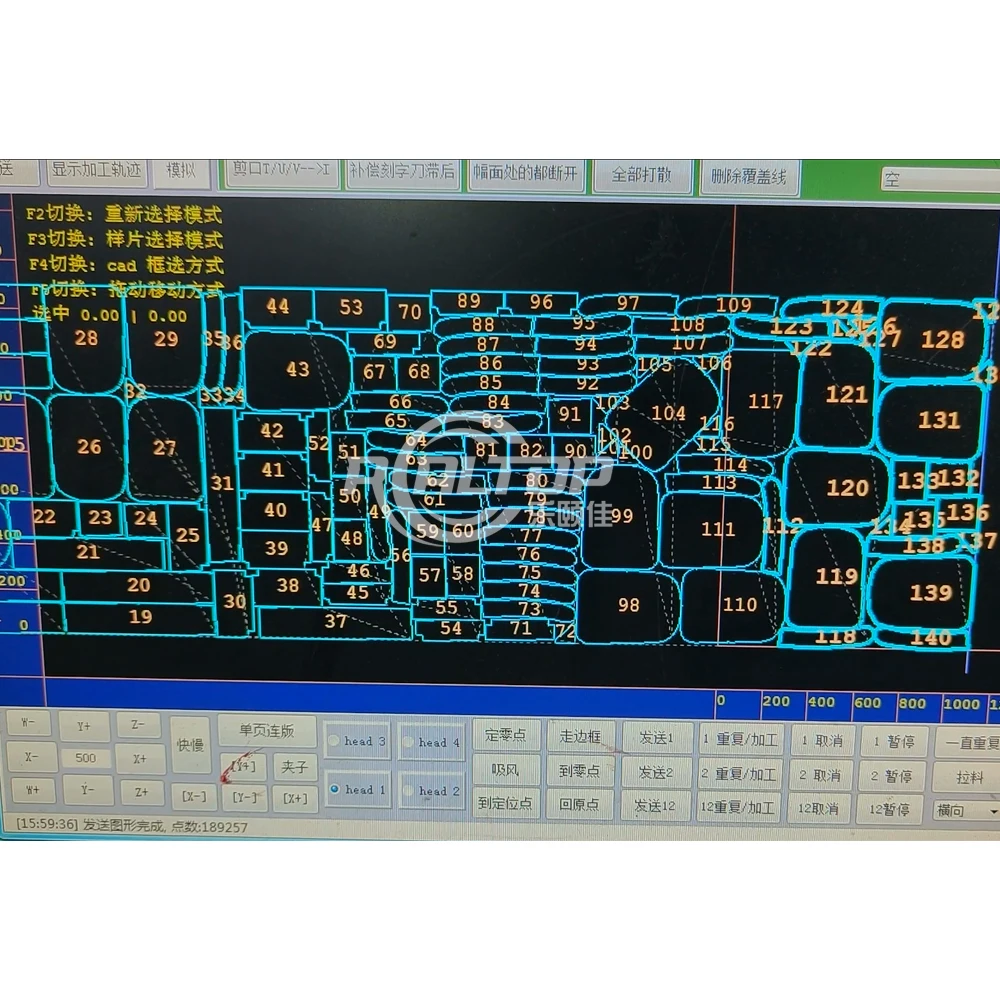
| Control System | CNC (HP-GL compatible format) |
| Tool Head Type | Swiss imported oscillating knife (vibration full cutting, half cutting, cursor location); modular holder for round knife, marking pen, auto feeder |
| Cutting Thickness | ≤50 mm (basis to be confirmed by material type and density) |
| Translational Velocity | 800–1200 mm/s |
| Repeatability | ≤0.1 mm |
| Transmission System | Digital servo motor (Panasonic), linear guide, synchronous belt, ball screw; rack and pinion drive |
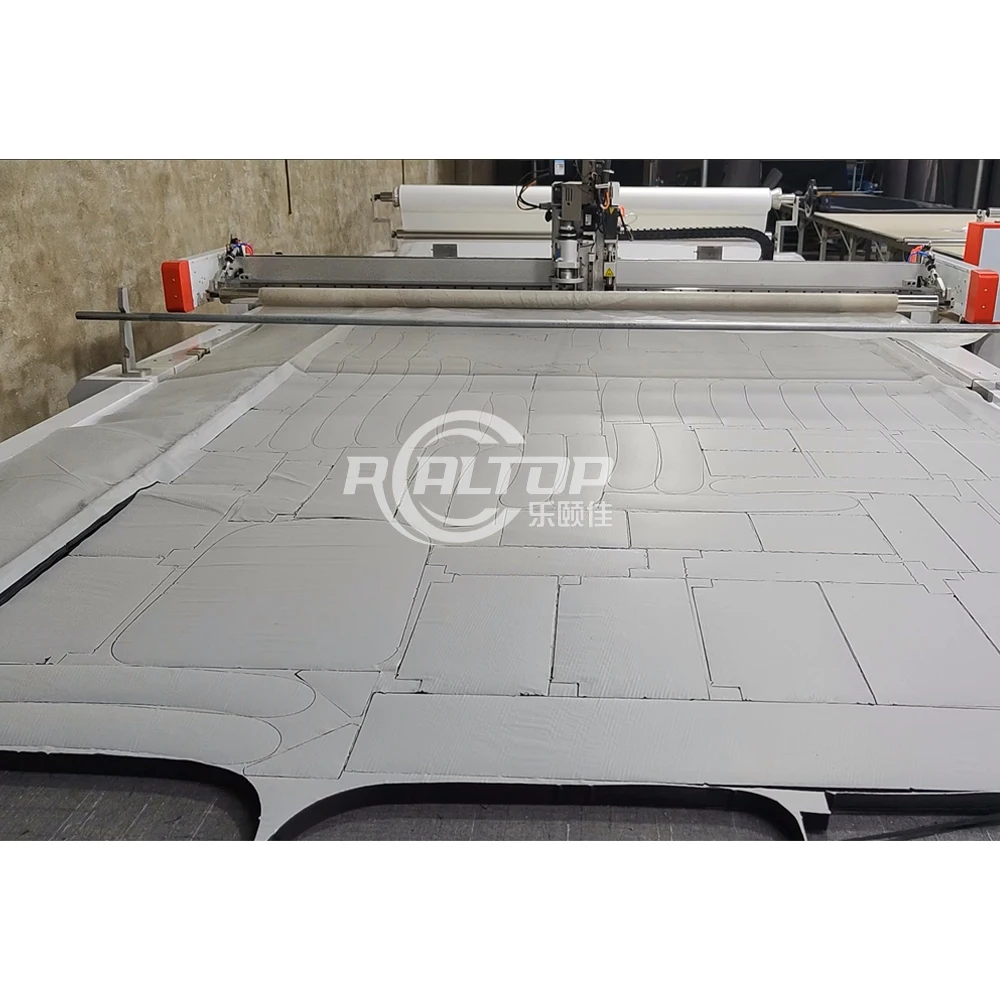
| Work Table | Flat vacuum table with high-density felt, aviation aluminum countertop with zoned suction |
| Feeding System | Auto feeding with Germany imported conveyor belt |
| Vacuum Pump | 7.5 kW |
| Safety Device | Infrared sensors |
| Language Options | English, Russian, Italian, Chinese; custom languages available |
| Assembly State | Fully assembled |
| Certification | CE |
Application Suitability
| Application | Material or Output |
|---|---|
| Roller blind and window shade production | Zebra fabric, sunscreen cloth, blackout textiles in continuous rolls |
| Garment and fashion accessory cutting | Single or multi-layer fabric, leather, composite panels |
| Automotive interior fabrication | Leather, sponge composite leather, soft PVC sheets |
| Signage and soft signage finishing | PVC, soft glass, silicone, rubber sheets |
Why Cutting Depth Claims Fail on Real Production Floors
Actual cutting capacity depends on material density and layer composition, not a single millimeter number on a brochure.
A machine quoted at a maximum thickness may struggle when the material includes a rigid PVC layer bonded to woven fabric, which is common in zebra blinds and technical textiles. I have watched a cutter handle standard blackout cloth smoothly, then choke on the same customer’s actual zebra fabric because the hard interlayer was never part of the test. This gap between catalog claims and production reality is one of the most frequent reasons buyers return or renegotiate CNC oscillating knife cutting machine manufacturer orders after installation [NEED_CITE: material density effects on oscillating knife penetration].
Modular Tool Head Architecture and Material Matching
The Swiss-imported oscillating knife head on the RT-D2516/RT-S2516 supports full-cut and half-cut modes within a single tool holder. A modular mounting interface lets the operator swap in a round knife for heavy woven rolls or a marking pen for pattern layout without replacing the entire head assembly. This flexibility matters when a single production line handles both lightweight sunscreen cloth and dense sponge composite leather across different shifts.
Continuous Roll Feeding for Shade and Blind Manufacturing
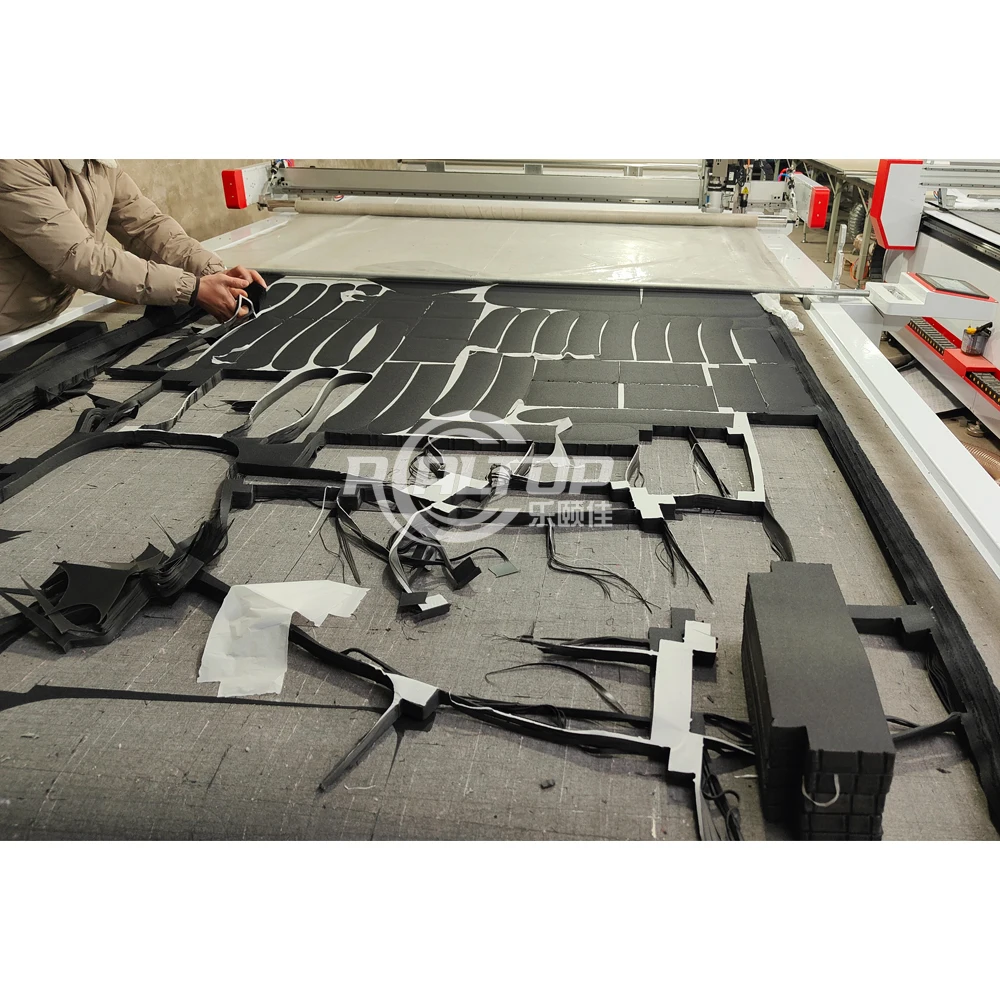
The auto-feeding system uses a Germany-sourced conveyor belt paired with the 1600×2500 mm work envelope to pull material directly from a roll stock stand. For zebra roller blind producers, this eliminates the manual sheet-by-sheet loading cycle and keeps printed patterns aligned through the cutting zone. The conveyor tension and feed rate are adjustable so that delicate blackout textiles and stiffer PVC-backed fabrics both track flat across the vacuum table [NEED_CITE: continuous feeding alignment in roll-to-cut textile workflows].
What the Core Drive Components Mean for Cut Quality
The Panasonic digital servo motors and rack-and-pinion drive hold repeatability to ≤0.1 mm across the full work envelope. In practice, this tolerance determines whether nested garment panels register correctly during downstream sewing and whether blind slat edges match the printed stripe boundary. The Taiwan Hiwin linear guides and synchronous belt transmission reduce backlash accumulation over long cutting paths, which is the difference between a clean edge on the first piece and drift by the fiftieth piece in a continuous production run.
The Hidden Cost of Underspecified Vacuum Zoning
When the vacuum table lacks adequate zoning for small parts, lightweight fabric lifts away from the felt surface mid-cut, producing ragged edges and forcing the operator to re-run the piece. On blind production where each slat may be only a few centimeters wide, insufficient suction density wastes material and interrupts the roll feed sequence. Buyers often discover this problem only after the machine is running their real production files, not the supplier’s demo pattern [NEED_CITE: vacuum zoning requirements for small-part textile cutting].
Why Source This Machine from the Builder
Realtop designs and manufactures both knife and laser cutting platforms in-house, so the RT-D2516/RT-S2516 is recommended based on your material behavior rather than pushing one technology onto every application. The tool head, vacuum zoning, and feeding configuration are specified after reviewing your actual roll stock. Voltage, plug type, and control language are confirmed before production starts. Sample cutting on your material is standard before any order commitment, not an optional extra. Every machine ships fully assembled with factory test records, reducing on-site commissioning time.
Documentation & Verification
- Machine specification sheet confirming tool head and conveyor configuration for your material
- Electrical schematic with voltage confirmation matched to your factory supply
- Sample cutting report on your actual zebra fabric or composite material
- Factory test record documenting repeatability and edge quality before dispatch
- Software licence and HP-GL file format compatibility note for your nesting workflow
- Spare parts list covering blades, felt, and conveyor belt wear items
Installation, Commissioning & Support
- The 3450×2300 mm footprint requires a clear floor area with level concrete substrate
- Dedicated 380V±10% circuit with appropriate breaker sizing for the 9 kW rated load
- Machine ships fully assembled; only conveyor belt tensioning and vacuum hose connection on site
- First-run parameter tuning on your roll material for feed rate and oscillation frequency
- Operator training covers tool head swaps, vacuum zoning adjustment, and HP-GL file loading
- Wear-item inventory plan for oscillating blades, high-density felt, and conveyor belt sections
Preparing Your Inquiry
Send a sample of your actual roll material along with the maximum thickness, width, and daily linear meterage target. Specify your factory voltage and frequency so the electrical system is built correctly from the start. Note whether your design files are generated in HP-GL or another format so software compatibility is confirmed before the order is placed.
Frequently Asked Questions
Q: How is cutting thickness verified for my specific fabric or composite material?
A: We run your actual roll sample on the RT-D2516/RT-S2516 before quoting. The test checks whether the oscillating knife penetrates cleanly through all layers at production speed. You receive a sample cutting report showing edge quality, achievable cutting depth, and the recommended tool head configuration for that material.
Q: What voltage and plug configurations are available for my target market?
A: The standard configuration is 380V±10%, but the electrical system is configurable for different market requirements. We confirm your factory voltage and frequency before production and provide an electrical schematic and voltage confirmation sheet so your electrician can prepare the correct circuit and breaker.
Q: How do I choose between oscillating knife, round knife, and drag knife for my material?
A: Oscillating knife suits multi-layer fabric, foam, and composite materials where edge compression must be minimized. Round knife works well for single-layer woven textiles at high speed. Drag knife handles thin vinyl and gasket sheets. We match the tool head to your material during the sample cutting stage.
Q: What is included in the sample cutting test before I place an order?
A: You send your actual production material, and we run it through the full cutting cycle including auto feeding and vacuum hold-down. The resulting sample cutting report documents edge quality, dimensional accuracy, and tool head selection, giving you verified data before commitment.
Q: How are spare parts and wear items supplied after installation?
A: Each machine ships with a spare parts list identifying blades, high-density felt, and conveyor belt sections. We supply consumable wear items directly, and the modular tool holder design allows blade changes without recalibrating the entire head assembly.
You may also like

商品评价
Clear filtersThere are no reviews yet.