



-
 Courier delivery
-
 DHL Courier delivery
-
 Warranty 1 year
-
 Free 30-Day returns

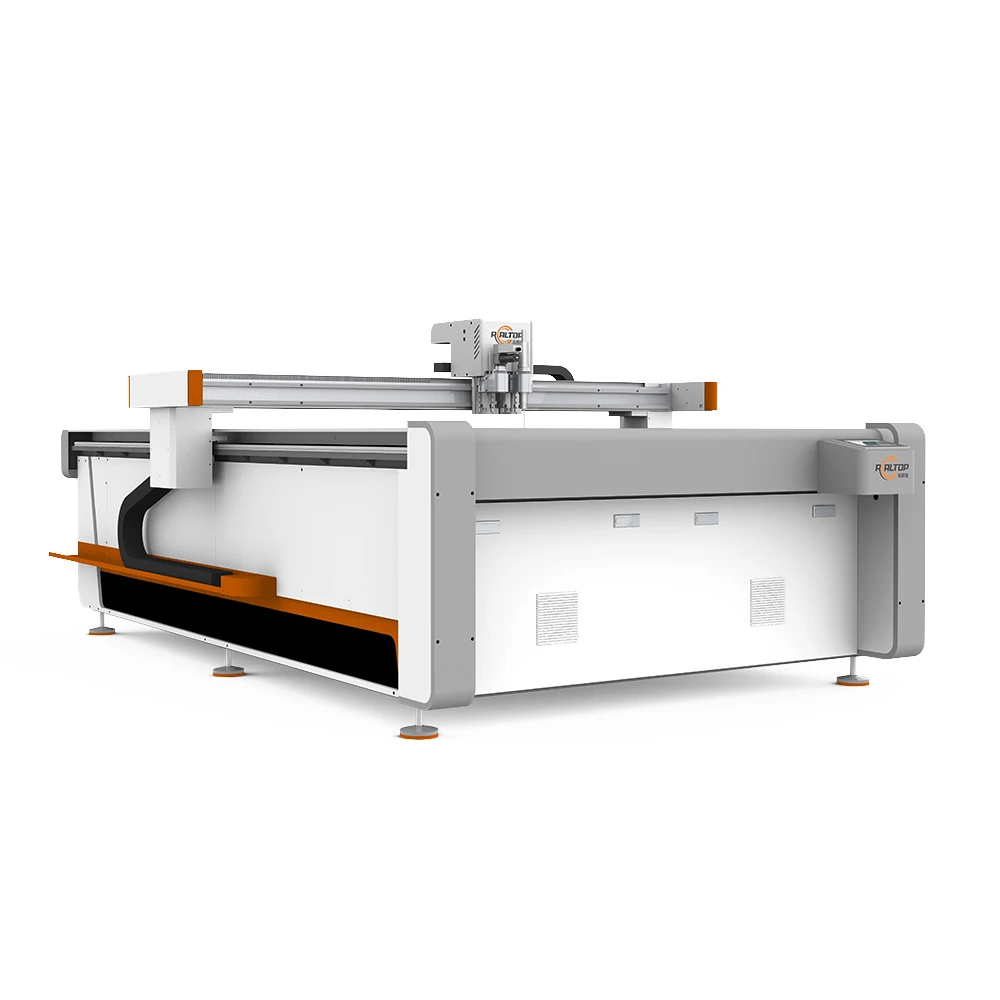
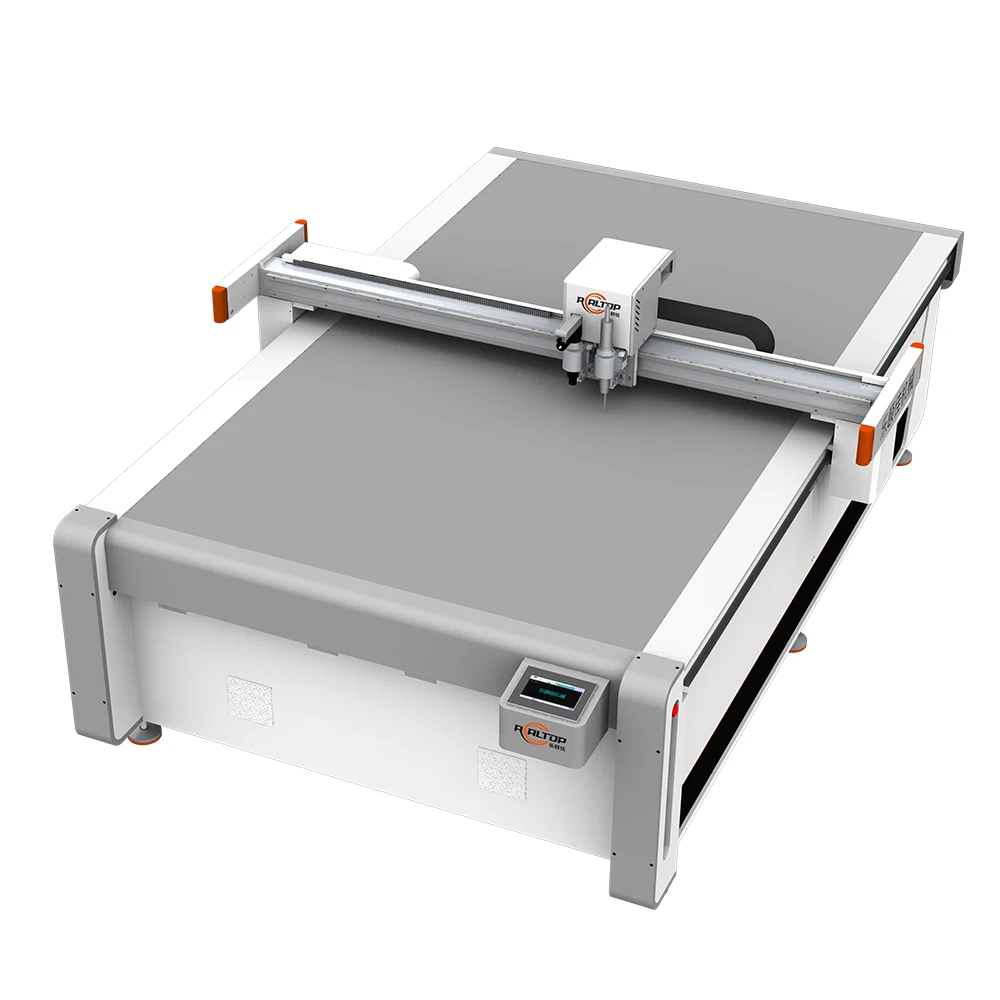
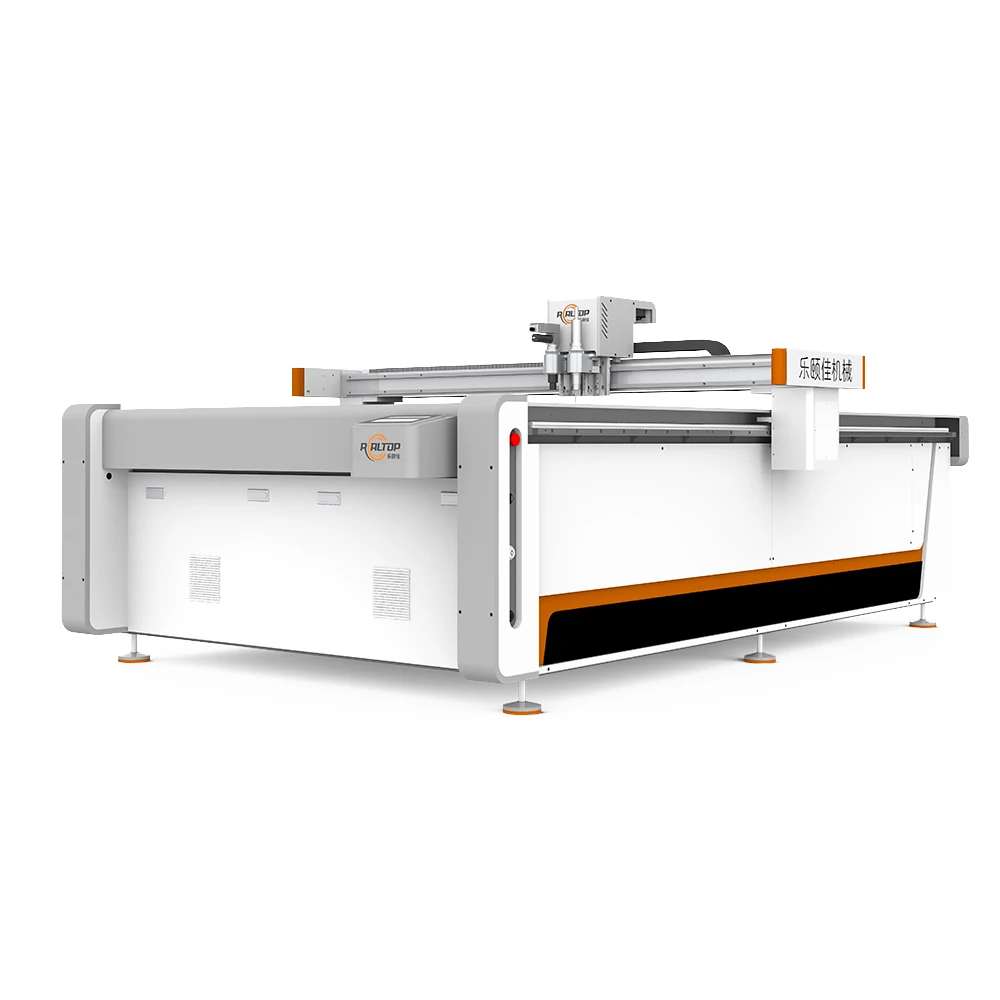
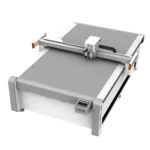
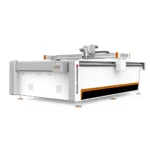
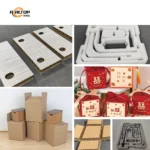
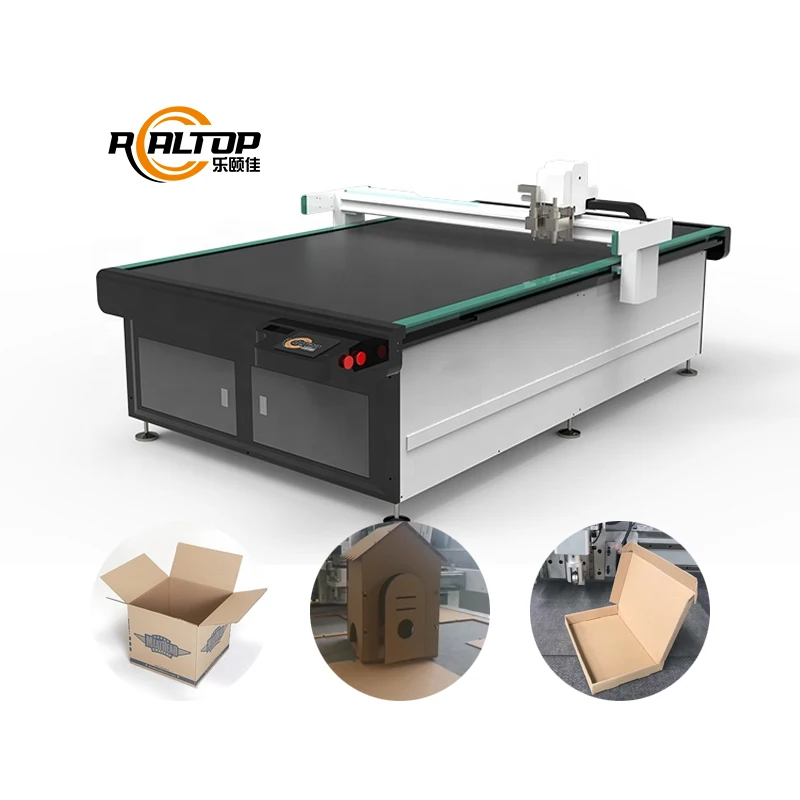
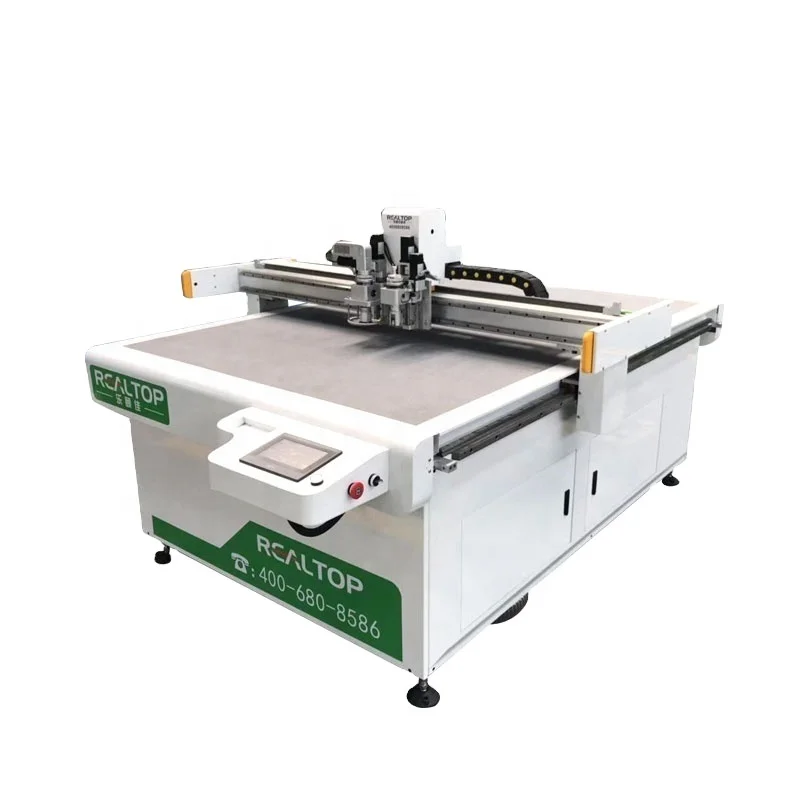
Precision Tooling Matched to Material — Every 1625 CNC oscillating knife cutting machine leaves our factory with tool head and vacuum zone settings verified on the buyer’s actual packaging stock, not generic cardboard.
Technical Specifications
| Parameter | Value |
|---|---|
| Model | 1625 |
| Product Type | CNC Oscillating Knife Cutting Machine |
| Working Area | 1600 × 2500 mm |
| Cutting Thickness | ≤ 40 mm |
| Cutting Speed | 0–1500 mm/s |
| Cutting Accuracy | ±0.1 mm |
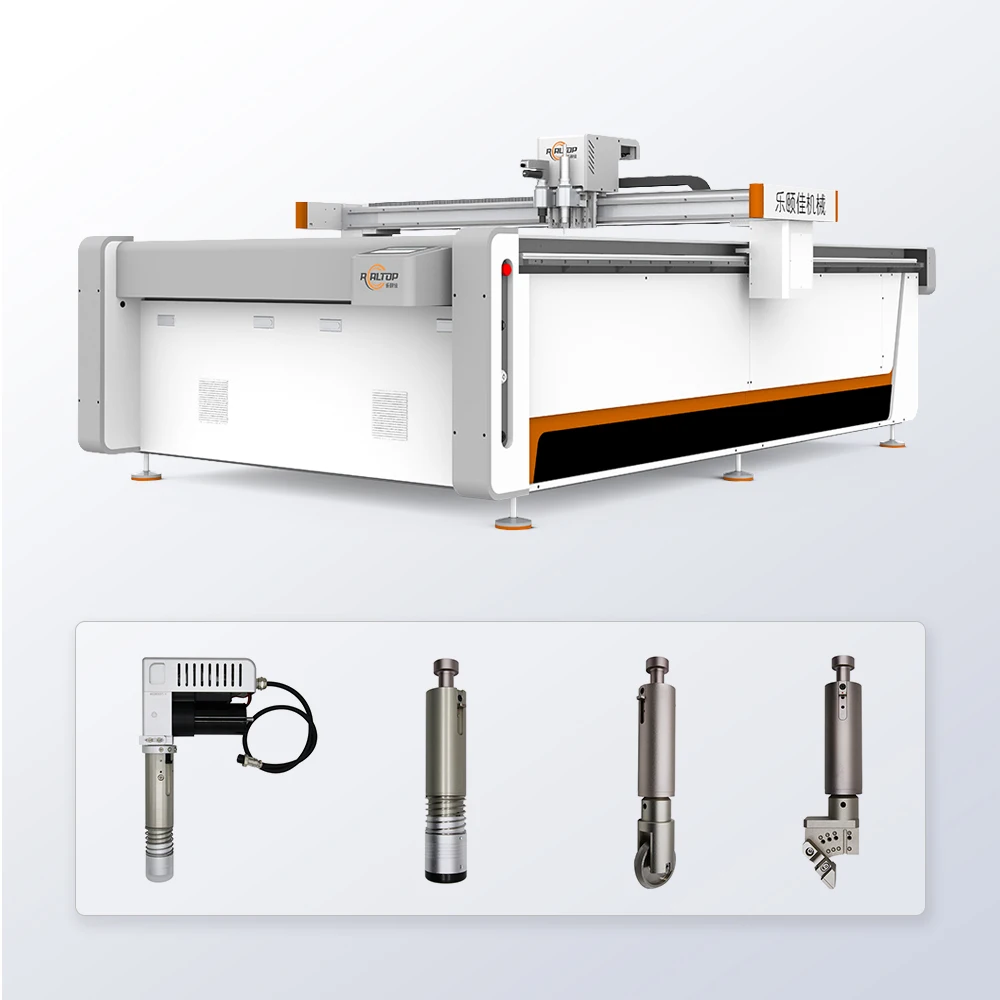
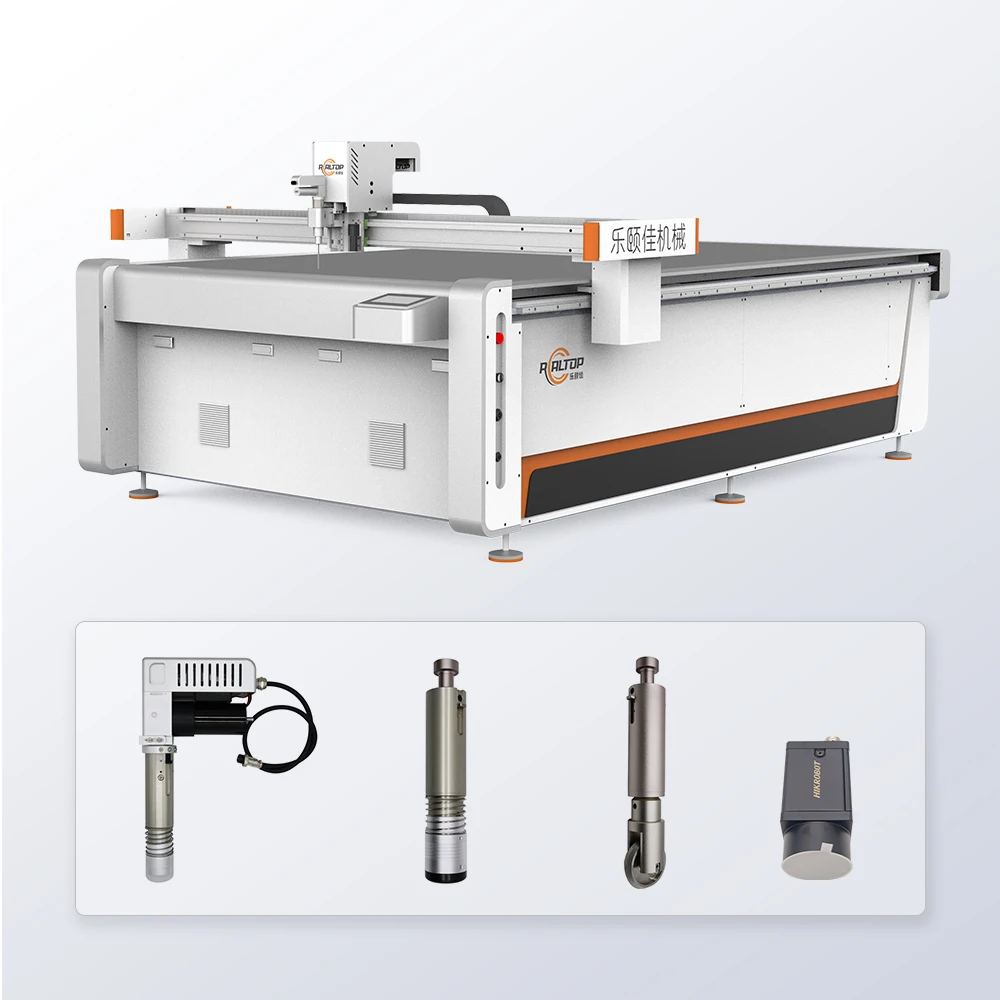
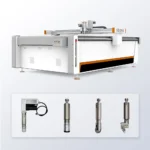
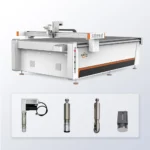
| Tools Available | Oscillating knife, Driven rotary knife, Creasing wheel, Kiss cutting tool, Pneumatic knife, Milling tool, V groove knife |
| Vacuum Pump | 9 kW |
| Vacuum Table | Aluminum bellows vacuum table |
| Control System | PLC control panel |
| Voltage Options | 110V, 220V, 380V |
| Servo Motors | Panasonic, Delta, Dorna options (source value — verify against manufacturer catalog) |
| Profile Formats | PLT, DXF, AI, PDF |
| Display Languages | English, Russian, Italian, Chinese (customizable) |
| Safety Devices | Infrared sensor device and emergency stop device |
| Machine Size | 3300 × 2100 × 1350 mm |
| Software | Dedicated packaging box structure design software included |
| Standards | CE |
Application Suitability
| Application | Material or Output |
|---|---|
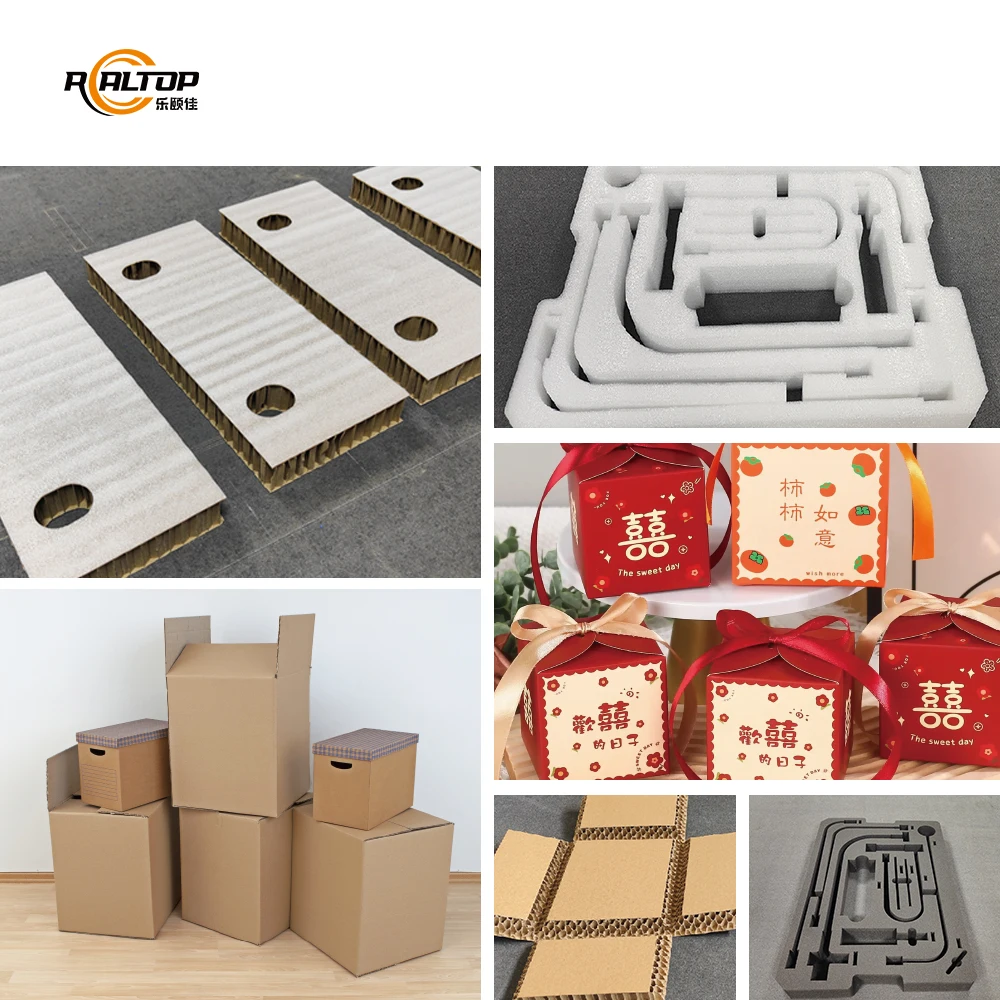
| Packaging sample making and carton prototyping | Corrugated cardboard, grey board, honeycomb board, PVC foam board |
| Short-run customized box production | Laminated carton, coated paper board, foam-core inserts |
| Advertising signage and display cutting | Acrylic, PVC, EVA foam, self-adhesive vinyl |
| Gasket and seal prototyping | Rubber sheets, PTFE, non-asbestos fiber composites |
| Automotive interior component cutting | Leather, synthetic fabric, PU foam, sound-deadening mats |
| Footwear and luggage pattern cutting | Genuine leather, PU, textile layers, insole board |
Why "Just Tell Me the Working Area" Is the Wrong Starting Point
Material thickness and laminate composition dictate the tooling, not the bed size.
I have stood in workshops where a machine bought purely on a 1600 × 2500 mm footprint struggled to push an oscillating knife through triple-wall corrugated board. The buyer never mentioned the flute profile or the lamination layers during the inquiry, so the factory shipped a standard oscillating knife with a generic stroke frequency. On the first production run the blade dragged, the edges crushed, and the vacuum table could not hold the sheet flat because the zoning had been set for thin carton [NEED_CITE: oscillating knife stroke frequency and material density matching]. That conversation about material always needs to happen before the conversation about price. When sourcing a CNC Oscillating Knife Cutting Machine manufacturer, the specification sheet should read like a recipe for your exact stock, not a one-size-fits-all menu.
Tool Head Selection Drives Edge Quality Across Packaging Substrates
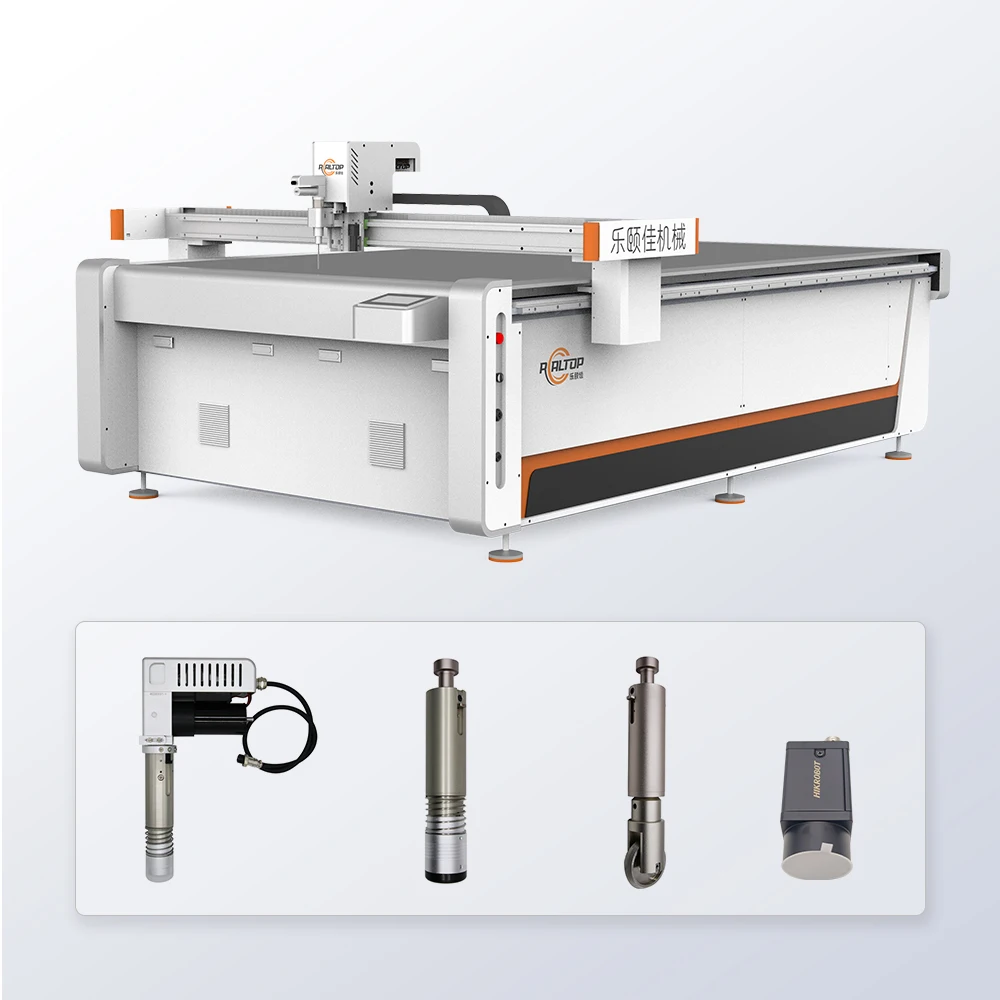
The 1625 platform offers seven interchangeable cutting tools, and choosing the correct one is where most packaging cutting errors originate. An oscillating knife handles single and double-wall corrugated cleanly, while a driven rotary knife suits continuous curves on thin carton and vinyl. For folding carton that needs fold lines rather than through-cuts, the creasing wheel scores without breaking the surface fibers. Pneumatic knives and V groove tools address thicker foam-core and honeycomb panels where standard blades deflect. Getting this right at the quotation stage eliminates the need for secondary trimming.
Vacuum Zoning That Actually Holds Small Packaging Inserts
The aluminum bellows vacuum table on this CNC oscillating knife cutting machine is divided into independently controlled zones. Small die-free packaging inserts and intricate inlay pieces tend to lift at the trailing edge when the full table is under uniform suction, because the air bleed around tiny profiles breaks the seal. By isolating only the active zone beneath the sheet, the 9 kW pump maintains enough hold-down force to keep laminated corrugated stock flat at cutting speeds approaching the upper range [NEED_CITE: vacuum zone isolation for small-profile digital cutting]. This is the difference between a clean sample and a scrapped sheet on short-run packaging jobs.
Reading the Specification Sheet Like a Production Manager
Cutting speed is listed at 0–1500 mm/s, but real throughput depends on the complexity of the nesting layout and the number of crease lines in the file. Cutting accuracy of ±0.1 mm matters most when producing interlocking packaging inserts where cumulative tolerance error causes assembly misalignment. The 40 mm maximum cutting thickness covers most packaging substrates, but dense compressed foam gaskets near that limit require reduced pass speeds to prevent blade deflection. PLC control with multi-language display means operators in different export markets can adjust knife oscillation frequency and vacuum pressure without translating menu trees. Included dedicated packaging box structure design software accepts PLT, DXF, AI, and PDF profiles, removing the file-format bottleneck that often delays first-article approval.
The Cost of Skipping the Sample-Cut Step
Buyers who approve a configuration based on a video of standard grey board being cut often discover problems only when their own material arrives on the factory floor. Laminated multi-layer corrugated behaves differently under the knife than plain kraft — the plastic film between layers adds drag and can delaminate if the oscillation amplitude is set too high. A wrong tool head choice produces ragged edges on foam or crushed flutes on double-wall board, forcing manual trimming that erodes any time saved by digital cutting [NEED_CITE: delamination risk in laminated corrugated digital cutting]. These are the failures that show up two weeks after the machine arrives, not during the factory acceptance test.
Why Production Teams Source This Machine From the Factory
The in-house design team covers both knife and laser cutting processes, so packaging buyers can match the cutting method to the substrate rather than forcing one technology across every material. Every 1625 unit ships with a tool head and table configuration list written against the buyer’s sample material, not a generic build sheet. Voltage, plug type, and control language are confirmed on the electrical schematic before the frame enters assembly, preventing the rewiring delays that hold up commissioning in markets with non-standard supply [NEED_CITE: industrial voltage and frequency standards by region]. Software licensing and file format compatibility notes travel with the machine, so the packaging design team can verify PLT and DXF import paths before the crate is opened. Factory test records include dimensional checks against the buyer’s own cutting file, providing a baseline for accuracy once the machine is on its permanent foundation.
Documentation & Verification
- Machine specification sheet listing tool head and vacuum zone settings matched to your packaging stock
- Electrical schematic confirming voltage, frequency, and plug type for your facility before assembly begins
- Sample cutting report on your actual corrugated or laminated board with dimensional measurement results
- Software licence and file format compatibility note covering PLT, DXF, AI, and PDF import workflows
- Factory test record showing cutting accuracy verification on your supplied packaging profile
- Operation and maintenance manual in selected display language with tool-change procedures
Installation, Commissioning & Support
- Foundation must be level within tolerance to support the 3300 × 2100 × 1350 mm frame without twist on the aluminum bellows table
- Dedicated circuit matching confirmed voltage (110V, 220V, or 380V) with isolation for the 9 kW vacuum pump start-up surge
- Machine ships partially assembled; table and gantry require on-site alignment and belt tensioning
- First-run calibration sets oscillation frequency and vacuum zone mapping against your packaging material sample
- Operator training covers tool head swaps between oscillating knife, creasing wheel, and driven rotary knife
- Spare parts list identifies wear items including oscillating knife blades and vacuum table seal strips
Before You Request a Quotation
Send us the thickest and most abrasive packaging material you plan to cut, along with the flute profile and any lamination details. Confirm the daily volume range, the maximum sheet size you will feed, and the local voltage and frequency at your facility. Let us know which display language your operators need and whether your design team works in PLT, DXF, AI, or PDF so we can validate software compatibility before the order is placed.
Frequently Asked Questions
Q: How do you match the cutting tool to a specific packaging material?
A: We run your actual stock on the 1625 in our workshop, testing oscillating knife, driven rotary, and creasing wheel options. Stroke frequency, blade angle, and pass speed are adjusted until edge quality and crease definition meet your sample approval standard. The winning configuration is recorded on the tool head list that ships with the machine.
Q: Can voltage and control language be customized for my market?
A: Yes. The PLC control panel supports 110V, 220V, or 380V supply, and the display language is set before dispatch from options including English, Russian, Italian, and Chinese. We confirm the exact voltage, frequency, and plug type on the electrical schematic so no rewiring is needed when the CNC Oscillating Knife Cutting Machine manufacturer delivers the unit to your facility.
Q: Will the included software read my existing packaging design files?
A: The dedicated packaging box structure design software imports PLT, DXF, AI, and PDF profiles. Before order confirmation, we run a file compatibility check using a sample file from your design team to verify layer recognition, crease-line interpretation, and nesting output so there are no surprises on commissioning day.
Q: What happens during the sample cutting process?
A: You send your thickest and most complex packaging material to our factory. We cut your actual production profile, measure dimensional accuracy against the ±0.1 mm tolerance, photograph edge and crease quality, and issue a sample cutting report. You approve the report before the machine enters final assembly.
Q: Can I visit the factory to verify build capability?
A: Factory visits are welcomed. You can inspect frame welding, review the assembly line, and witness a test cut on your material. The production team walks through quality checkpoints and the documentation package, including the factory test record that will accompany your 1625 unit at dispatch.
You may also like

商品评价
Clear filtersThere are no reviews yet.